Dating Apps
Best Dating Apps for Serious Relationships in 2026
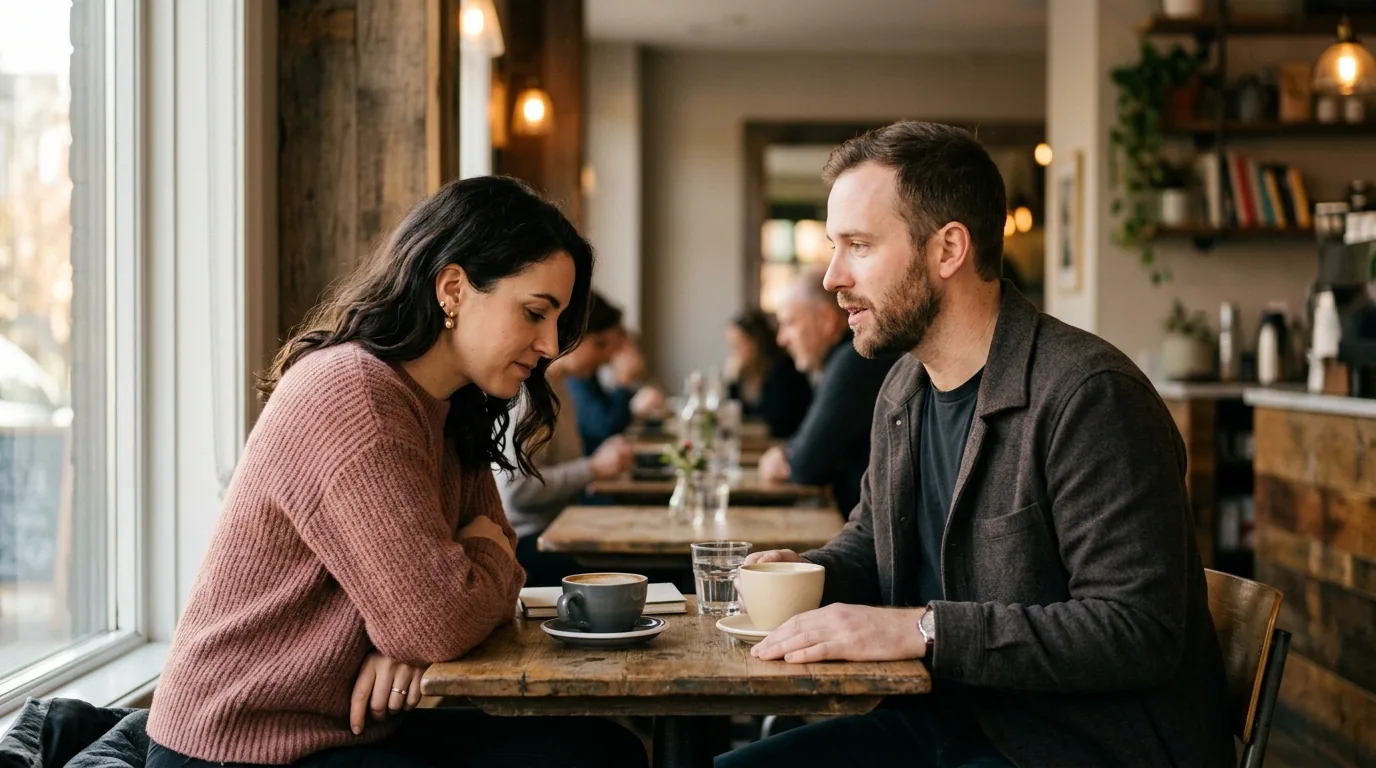
If you're looking for a serious relationship, choosing the right dating app matters more than it used to. The category has quietly split in two: apps designed around scrolling and volume, and apps designed around the smaller number of conversations most likely to lead to a real relationship. This guide is about how to tell them apart — and how to pick one that fits how you actually want to date.
We won't rank the apps by popularity or download numbers. Those metrics reward the same design patterns that make dating feel like a slot machine. Instead, we'll look at what each app is optimizing for, who it works best for, and what signals to watch for as you evaluate any dating app in 2026.
What "serious" actually means on a dating app
"Serious" gets used loosely. For this guide, we'll treat it as a combination of three things:
- Relationship-minded users. The average person on the app is open about wanting more than a hookup, and the product doesn't hide that intent behind ambiguous prompts.
- Design that rewards follow-through. The app makes it easier — not harder — to move from a match to a real conversation to an actual first date.
- Signals beyond photos. You get enough context (prompts, values, lifestyle, compatibility) to decide whether someone is worth meeting, not just whether they're attractive in a five-photo carousel.
An app can score well on one of these and poorly on the others. The best serious dating apps are the ones that do all three at once.
What to look for in a serious dating app
Before we get to specific apps, here are the signals that reliably separate relationship-oriented apps from engagement-oriented ones:
1. Explicit relationship intent
Do users state what they're looking for — long-term, short-term, casual, unsure — on their profile? Apps that ask this question upfront tend to attract users who are willing to answer it honestly. Apps that don't ask, or bury the question in settings, tend to be more mixed.
2. Depth of profile
A profile with three prompts, values, lifestyle answers, and photos gives you far more to work with than a profile with five photos and a one-line bio. Depth doesn't guarantee a good match, but it filters out people who weren't willing to put in even 10 minutes of effort — and that filter is meaningful.
3. Compatibility context
Some apps show you why someone might be a match — shared values, similar relationship goals, aligned lifestyle answers. Others just show you a photo and expect you to decide. Compatibility context won't tell you whether you'll fall in love, but it will save you from date #3 with someone who wants three kids when you want none.
4. Message quality
The apps that push you toward opening messages by referencing a specific prompt or photo tend to produce better conversations than apps that let you fire off "hey" in unlimited quantities. Small design choices — a message limit, a required first message, an AI assist that nudges you to be specific — add up.
5. Distance from the swipe
The swipe was invented as a lightweight yes/no. It's since become the entire product experience for some apps. Serious apps tend to slow this down: fewer profiles per day, more time per profile, or a two-stage decision (like Meet to Keep's Meet → Keep flow) that separates initial interest from real commitment.
The main options in 2026
Here's an honest comparison of the apps most commonly recommended for people looking for a serious relationship. We're focused on what each app is oriented around — not on popularity rankings, which mostly reflect marketing budget.
Hinge
Hinge popularized the prompt-based profile and explicitly markets itself as an app "designed to be deleted." In practice, it attracts a lot of relationship-minded users, though the experience skews younger and more urban. Its "Most Compatible" recommendations use a machine-learning model over your past likes, so the more you use it, the more the app's model reflects your preferences.
Best for: users in their 20s and early 30s looking for a relationship-first experience with strong profile depth.
Bumble
Bumble's most distinctive feature is that women message first in opposite-sex matches. That design decision has aged well — it tends to filter for men who are okay being pursued and for women who are comfortable initiating. The app has expanded beyond dating into friendship and networking, which can dilute the dating experience if you don't tune your filters.
Best for: users who want a slower, more considered first-message dynamic.
Match
Match is one of the oldest dating apps and skews older than most competitors. Its profiles are among the most detailed, and its user base tends to be more openly relationship-focused. The subscription model is more expensive than most, which self-selects for users willing to pay for a more curated experience.
Best for: users 30+ who want depth and don't mind paying for it.
eharmony
eharmony was built around a compatibility questionnaire long before the category cared about compatibility. The onboarding is longer than most, which is either a feature or a friction depending on your patience. It tends to attract users specifically looking for long-term relationships and marriage.
Best for: users specifically looking for long-term relationships and willing to invest more in setup.
Meet to Keep
Meet to Keep is built around a two-stage relationship loop: users first choose to Meet someone when they see potential, and later decide whether the connection is worth Keeping. The app surfaces compatibility context (values, lifestyle, family goals, communication style) throughout the flow, so decisions to Meet and Keep are informed by more than photos. There's also an intentional-introductions flow that replaces the standard "like" with a more considered opener.
Best for: users who want to date with more intention and are tired of dating apps designed around volume.
Looking for something more intentional? Explore Meet to Keep — a dating app built around relationships worth keeping, not endless scrolling.
Apps that are less oriented around serious dating
Not every app is trying to help you find a relationship — and that's fine, as long as you know what you're using. A few worth naming honestly:
- Tinder remains the most-used dating app in the world and skews toward a broader mix of intents. Serious relationships absolutely happen on Tinder, but the product surface (fast swiping, low profile depth) isn't oriented around them.
- Badoo is one of the largest global dating apps and skews toward casual dating in most markets. Long-term relationships happen there, but the design isn't specifically oriented around them.
- Feeld is oriented around non-monogamy and alternative relationship structures — great for the audience it serves, less relevant if you're looking for a conventional long-term partnership.
None of these are "bad" — they're just optimizing for a different outcome. If you're looking for a serious relationship, using them will feel like using the wrong tool.
A quick decision framework
Instead of asking "what's the best dating app in 2026?", ask three narrower questions:
1. What percentage of your first dates end because you didn't have enough context before meeting? If it's high, prioritize apps with deeper profiles and compatibility signals. 2. Do you burn out on swiping? If yes, prioritize apps that limit daily volume or use a two-stage decision flow. 3. Are you dating in an urban market or a rural one? In dense cities, small apps with fewer users can still be great. In smaller markets, user volume matters more.
Your answers will point you at one or two apps to try. Nobody needs six.
What to watch out for
Regardless of which app you pick, a few habits will materially improve your experience:
- Write your profile like you'd want to read it. Specifics beat vagueness. "I have strong opinions about coffee shops" is more interesting than "I love coffee."
- Meet in person sooner rather than later. After ~10 messages, the marginal information you get from another day of texting is small. First dates are shorter and cheaper than most people think.
- Delete apps between relationships, not just when you're in one. A few weeks off is usually more productive than swiping through burnout.
- Take rejection lightly. The economics of dating apps mean people will pass on your profile for reasons that have nothing to do with you as a person. It's not a referendum on your worth.
The bottom line
If you're looking for a serious relationship in 2026, the dating app category has genuinely improved — but only if you pick one whose design goals align with yours. Look for explicit intent, real profile depth, compatibility context, and design that rewards slowing down. Any app that scores well on all four is a reasonable choice; the specifics of which one fits you depend on your age, market, and how you like to make decisions.
If Meet to Keep sounds like the framing you've been looking for — dating with the intention to keep — give it a try. If not, use this framework on whichever app you pick next. The right one is the one that helps you get off it.
Ready to date with intention?
Meet to Keep is built for people looking for meaningful, relationship-minded connections — not endless swiping.
Discover Meet to Keep