Safety
Online Dating Safety: How to Date More Safely
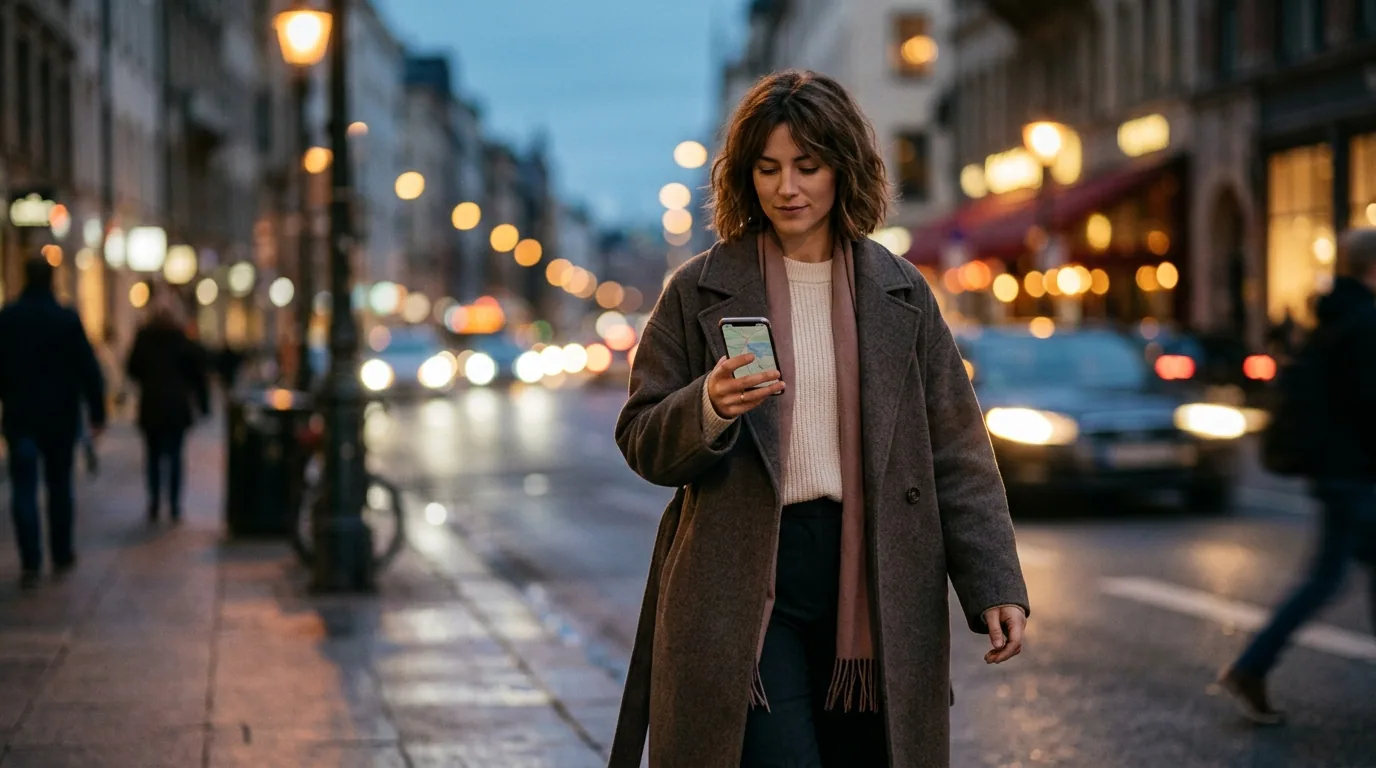
No dating app can guarantee your safety. What they can do is provide tools — verification, reporting, in-app messaging that doesn't share your phone number — that make it easier to date carefully. The rest is your own habits.
This is a practical, non-alarmist guide. The goal isn't to scare you off online dating (which is how most people meet now) but to make sure the parts under your control are as strong as they can be.
Before you match
- Use recent, unique photos. Reverse-image-search your own primary photo to check whether it appears anywhere else on the internet in a context you don't want. If it does, use a different photo.
- Don't reveal your workplace, home neighborhood, or gym in your profile. A general area is enough. Specific landmarks in photo backgrounds also matter more than most people realize.
- Choose an app with real verification. Look for profile verification, in-app video call features, and clear block/report flows. These are baseline safety features in 2026 — apps without them are legitimately behind.
Before the first date
- Keep contact inside the app until you've met. Once you exchange numbers, the app can't help mediate anything that goes wrong.
- Do a short video call before meeting. Fifteen minutes on video will rule out most catfishing and will give you a much better read on chemistry than another week of messages.
- Do a search. Their name, workplace if they mentioned it, city. You're not investigating — you're just confirming their online footprint is consistent with what they've told you. Inconsistencies are worth noticing.
- Tell a friend the plan. Where, when, who. Share a live location if you're comfortable. This is normal and increasingly expected.
During the first date
- Meet in public. A busy coffee shop, restaurant, or bar. Not a park at night. Not their apartment. Not yours.
- Arrange your own transportation. Don't let them pick you up. Ride-share or drive yourself so you can leave when you want.
- Watch your drink. This is often framed for women but applies to everyone. Don't leave drinks unattended; don't accept opened drinks from someone else.
- Trust your gut. If something feels off in the first ten minutes, you're allowed to leave. Real-life first dates fail all the time; nobody is owed the full hour.
Red flags worth taking seriously
- Refusing to video call before meeting.
- Photos that look inconsistent — different-looking person, obvious different eras, or heavy filters.
- Pushing to meet very quickly, before you've had a real conversation.
- Pushing to move off the dating app immediately to WhatsApp/Telegram/Signal.
- Asking for money, ever, for any reason — including "just to help with a plane ticket to visit you."
- Vague answers about basic biographical questions (where they work, roughly where they live).
- Excessive flattery or love-bombing before you've met.
Any one of these might have an innocent explanation. Two or three together is a pattern.
After the first date
- Take your time. Second dates can wait a few days. If you're being pushed toward exclusivity, moving in together, or heavy emotional commitment quickly, that's worth noticing.
- Don't share sensitive information early. Home address, workplace details, financial information — none of this needs to come up in the first few dates. If they're pressing for it, ask yourself why.
- Reintroduce them to your life at your own pace. You don't owe anyone access to your friends, family, or home just because a few dates went well.
If something goes wrong
- Report to the app. Most apps take reports seriously; the more specific your report, the better.
- Save evidence — screenshots of messages, profile URLs, dates and times of interactions.
- Contact law enforcement if you believe a crime has occurred, or if you feel unsafe.
- Talk to someone. Bad dating experiences can be isolating. Telling a friend, family member, or therapist about what happened is part of processing it. You didn't do anything wrong by trusting.
What Meet to Keep does
Meet to Keep operates verification and moderation systems (documented in the in-app Safety Center) and provides tools for reporting and blocking. Like every dating app, we can raise the baseline — not eliminate risk entirely. The final layer of safety is always your own habits.
Want a dating app that takes safety seriously? **Discover Meet to Keep**.
Ready to date with intention?
Meet to Keep is built for people looking for meaningful, relationship-minded connections — not endless swiping.
Discover Meet to Keep